After Gen Z Protests, Bangladesh and Nepal Head to the Polls
Source: Council on Foreign Relations
A global wave of Gen Z-led protests have called for a fundamental restructuring of government and politics. Upcoming elections in Bangladesh and Nepal could offer young voters an opportunity for meaningful reform
Citizens in Bangladesh and Nepal head to the polls on February 12 and March 5, respectively, for the first general elections since youth-led uprisings toppled both countries’ governments. The two countries are seeking to rebuild their government institutions, but the elections could reflect the political headwinds in the region. Despite similar reform sentiments appearing in Japan and Thailand over the past few years, voters in those recent elections chose to back pro-establishment, conservative parties.
In August 2024, students in Bangladesh protested job quotas favoring those with ties to the previous political party in power, while in September 2025, protests against nepotism erupted in Nepal after social media posts by the children of political elites appeared to flaunt lavish lifestyles.
The two movements have had cascading effects. Since 2024, Bangladesh has been governed by an interim administration after protests led to the ouster of former Prime Minister Sheikh Hasina, who fled to India. In Nepal, parliament was set ablaze during the 2025 protests, prompting the resignation of Prime Minister K.P. Sharma Oli. Nepal’s so-called Gen Z protest helped spark a wave of youth-led movements under the banner of Generation Z—those born between 1997 and 2012.
Read More here.
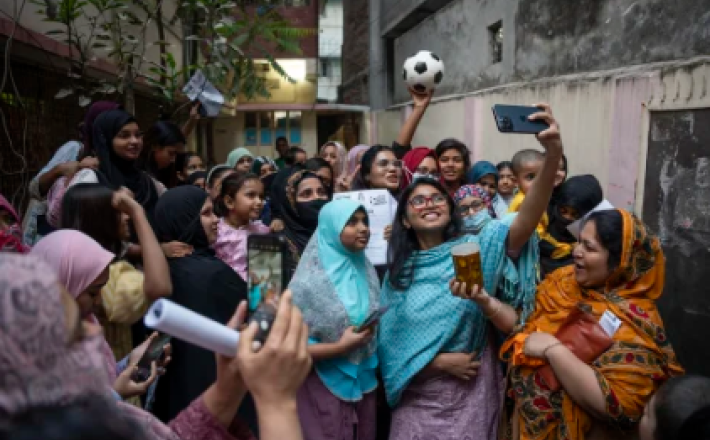
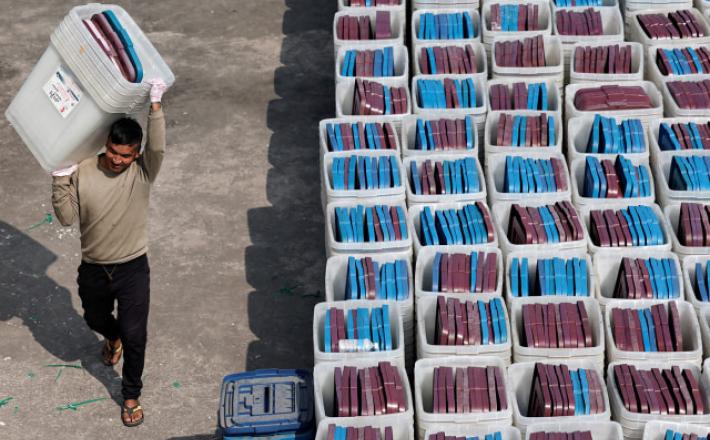
A global wave of Gen Z-led protests have called for a fundamental restructuring of government and politics. Upcoming elections in Bangladesh and Nepal could offer young voters an opportunity for meaningful reform
Citizens in Bangladesh and Nepal head to the polls on February 12 and March 5, respectively, for the first general elections since youth-led uprisings toppled both countries’ governments. The two countries are seeking to rebuild their government institutions, but the elections could reflect the political headwinds in the region. Despite similar reform sentiments appearing in Japan and Thailand over the past few years, voters in those recent elections chose to back pro-establishment, conservative parties.
In August 2024, students in Bangladesh protested job quotas favoring those with ties to the previous political party in power, while in September 2025, protests against nepotism erupted in Nepal after social media posts by the children of political elites appeared to flaunt lavish lifestyles.
The two movements have had cascading effects. Since 2024, Bangladesh has been governed by an interim administration after protests led to the ouster of former Prime Minister Sheikh Hasina, who fled to India. In Nepal, parliament was set ablaze during the 2025 protests, prompting the resignation of Prime Minister K.P. Sharma Oli. Nepal’s so-called Gen Z protest helped spark a wave of youth-led movements under the banner of Generation Z—those born between 1997 and 2012.
Read More here.